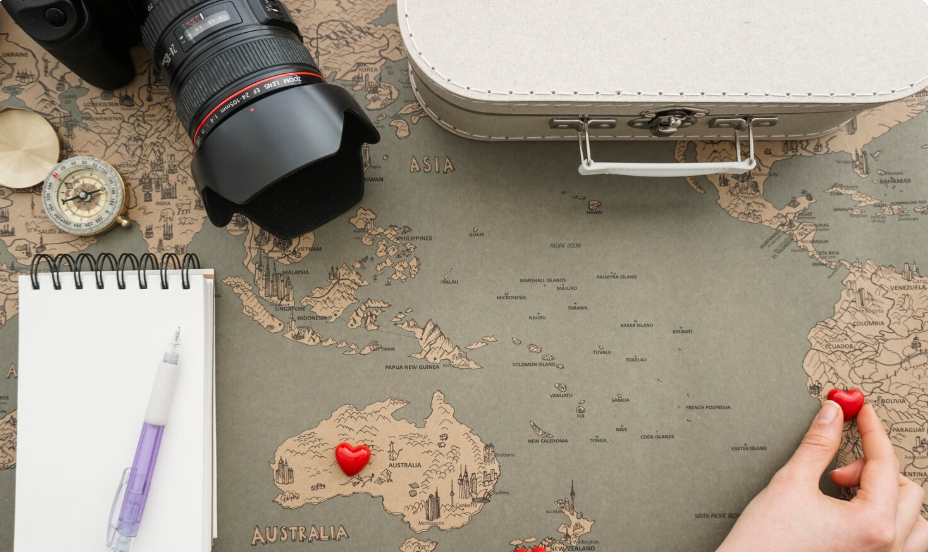
Brochures lie by leaving things out. They show the harbour, the reef, the red desert, all on one page, so Australia looks like a country you can cover in a week. You can't. It's huge, it's pricey, and the sun doesn't play around. Smart Traveller Australia isn't a pass or an app. It's just the habit of checking a few boring things before you pay for anything. Boring, yes. Also the difference between a good trip and an expensive headache.
Distance is the first problem
Sydney to Melbourne is around 880 km by road. That's a full day of driving, give or take the stops. Sydney to Perth is about 4,000 km, so you fly, and the flight alone eats most of a day once you add airports.
I've seen itineraries with four cities in eight days. Don't. You'll spend more time at baggage claim than anywhere interesting.
Pick one region, maybe two. Stay three or four nights each. You unpack once, find a decent café, work out the buses. That's a holiday. Anything faster is a tour of airports.
Ask yourself what you actually enjoy. Food, galleries, shopping? Cities. Hiking, swimming, wildlife? National parks and coastal towns. Both in one short trip rarely works.
And check the weather per place. December to February is summer, sure, but the tropical north has a wet season with heavy rain and flooding, while Tasmania can be chilly while Queensland sweats. "Australia in December" isn't one climate.
Where the money goes
Australia is expensive. There's no clever way around that, only ways to be less surprised.
Write the big costs down first: flights, accommodation, food, local transport, tickets, insurance. Then add a cushion. Something always happens. A cancelled tour, an unplanned taxi, a rainy day that needs an indoor plan.
Beds take the biggest slice. Hotels suit short city stays. Hostels, holiday apartments and campsites make sense for longer trips. Look at the final total, not the nightly rate, because cleaning fees and parking can wreck a "cheap" listing. A budget plan built on Smart Traveller Australia thinking always compares the full price.
Food is the quiet leak. Restaurant dinners every night drain you fast. Supermarkets, bakeries and food courts are fine, honestly. If your room has a kitchen, do breakfast there and save the money for one proper meal or a reef trip.
Book flights and main stays early, especially during school holidays. But don't prepay every activity. Plans shift, and refunds are annoying.
Choose places, not lists
Those "top 20 things to do" lists make people feel guilty for skipping stuff. Skip stuff.
Sydney is the harbour, coastal walks and that skyline. Melbourne is coffee, street art, sport and music. Brisbane is warmer and slower. For reef and snorkelling, head to Queensland's north. South Australia suits wine lovers. Western Australia has huge, empty coastline, though reaching it takes real driving. If you only have a few days near Melbourne, the Great Ocean Road, roughly 240 km of cliffs and beaches, is hard to beat.
National parks need a check before you go. Tracks close for fire, flood and maintenance, sometimes with almost no warning. Turning up to a locked gate is a rotten way to start a morning.
Paperwork people ignore
Coming from overseas? Confirm your visa or electronic travel authority before you pay for anything non-refundable. Requirements depend on your nationality, passport and reason for travel, and they change. Use official government sites, not forums or old blog posts.
Check passport validity. Check that the names on bookings match it exactly. Save digital copies of your passport, visa, reservations and insurance, and keep one backup that isn't on your phone.
Biosecurity is the rule people treat as a joke. Food, seeds, wood and animal products can be restricted, and officers don't joke. Unsure? Declare it or leave it home.
Getting around
Long distance means flying, usually. Inside Sydney and Melbourne, trains, trams and buses reach most of what you'll want to see. Sydney uses the Opal card, Melbourne uses Myki, and sorting that out early saves money. A Smart Traveller Australia plan doesn't assume a car everywhere.
Hire one for regional areas, coastal routes and parks where public transport thins out. Check your licence is accepted, and whether you need an international permit or a translation. Traffic keeps left. If you're used to the right, take the first morning slowly. Roundabouts will test you.
Long drives need respect. Some stretches have few fuel stops and no phone signal. Fill up when you can, carry plenty of water, check road and weather reports, and don't drive tired. Add extra time to every leg. Rushing is how people get stuck.
Packing
Layers. Mornings and evenings can be cool even when afternoons burn.
Shoes first, honestly. You'll walk through cities, markets, coastal paths and bush tracks, and blisters ruin days.
Sun gets its own paragraph. The UV is strong, and you can burn on a cloudy day. Bring a wide-brimmed hat, sunglasses, sunscreen and covering clothes, and reapply as the label says. For hikes or remote areas, add extra water, a first-aid kit, a way to navigate and proper footwear. Read the track difficulty, and be honest about your fitness.
A reusable bottle, a power bank and a small day bag help. Keep medication in its original packaging, and check the rules for carrying it across borders.
Staying safe
Australia is generally welcoming, but common sense still applies. Keep valuables close, watch your surroundings, and don't leave bags or devices alone. Most Smart Traveller Australia safety advice boils down to paying attention.
The outdoors asks for more. Beaches can have strong currents and sudden surf, so swim at patrolled beaches, listen to lifeguards and stay between the red and yellow flags. Watch wildlife from a distance. Don't feed it, and don't touch anything you can't identify.
Camping or bushwalking? Tell someone your plan, carry enough water, and check park alerts and fire restrictions. If authorities close an area, believe them and change plans.
Save 000 in your phone now. It reaches police, fire and ambulance. Buy travel insurance, and actually read it. Medical cover, cancellations and exclusions vary a lot, and some activities may not be covered.
People and place
Aboriginal and Torres Strait Islander cultures are living traditions, not museum exhibits. Cultural tours, art centres and guided walks are good ways to learn. Choose operators who explain why a place matters. Some sites restrict photography or entry, so follow the signs and the guidance of local custodians. Ask questions politely, and never use sacred places as photo backdrops.
Spend locally when you can. Independent shops, regional markets and locally run tours offer things chains don't.
Same with nature. Stay on marked trails, take your rubbish out, use designated campsites, and leave plants and animals alone. At the reef, never touch or stand on coral.
Phones and surprises
Apps help. Maps, transport apps, flight alerts and weather updates all save time. Download offline maps before heading anywhere with patchy signal, and save bookings where you can open them without internet. Use secure connections for anything sensitive, and don't post exact plans while you're away. Then put the phone down. A walk is better without a screen.
Don't plan every hour, either. The best moments tend to come from a wrong turn, a market you stumbled into, an extra afternoon somewhere you liked. A backup idea also saves a day when a flight is delayed, or a storm arrives. Still, book popular attractions and key transport ahead when needed.
Final Thoughts
Being a Smart Traveller Australia visitor is a handful of habits: respect the distances, spend sensibly, prepare for the weather, and treat people and places with care.
Set a realistic budget. Pick a few places you actually want to see. Check your documents early. Then leave gaps in the schedule, because that's usually where the good stuff happens.


